
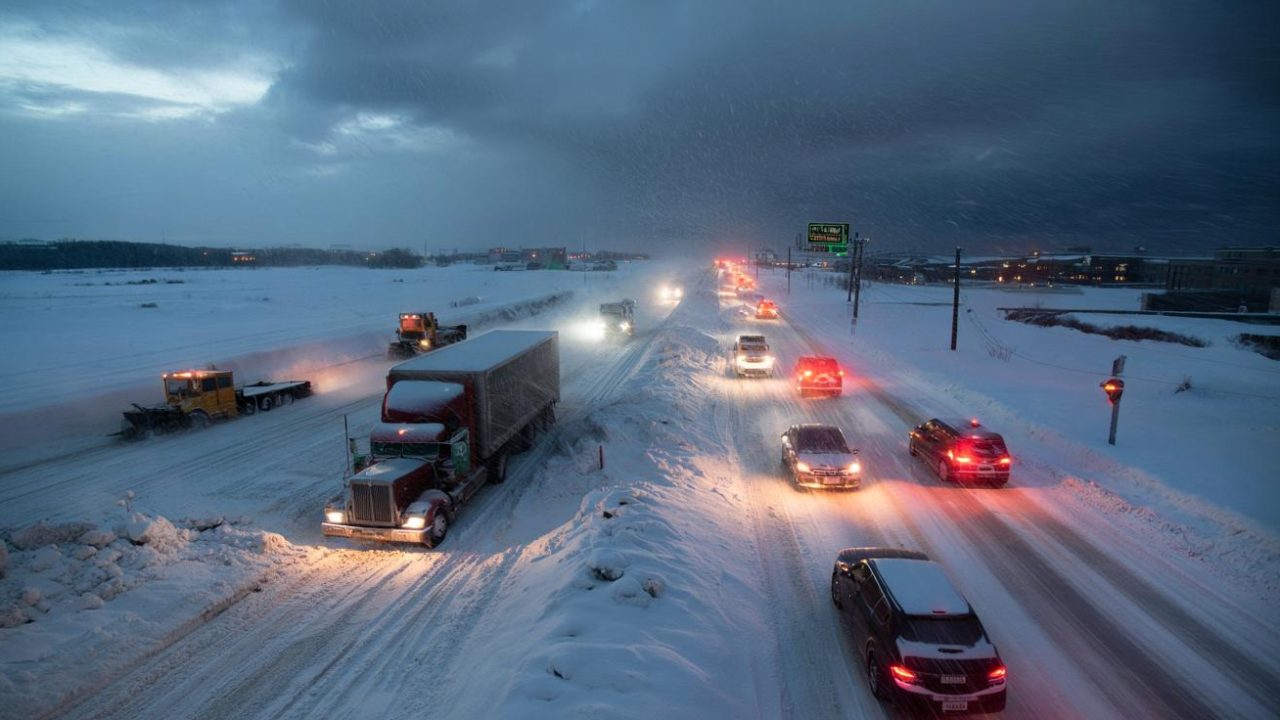
German authorities have issued a severe winter storm warning as meteorologists predict unprecedented snowfall levels that could reach up to 244 centimeters in certain regions. The warning comes as the first snowflakes have already begun falling across major highways, initially appearing as what drivers might dismiss as light flurries cutting through gray winter skies. However, weather experts are urging residents and travelers to take this storm system seriously, as it has the potential to cause widespread transportation disruptions and mass service outages across the affected areas.
Severity and Scale of the Winter Storm Warning
The German Weather Service (Deutscher Wetterdienst) has classified this as one of the most significant winter weather events in recent years. The storm system is expected to bring not only heavy snowfall but also strong winds, creating blizzard-like conditions that could persist for several days. The predicted accumulation of up to 244 centimeters represents nearly eight feet of snow, a volume that would challenge even the most robust snow removal infrastructure.
“We are dealing with a weather system of exceptional intensity,” explains Dr. Klaus Müller, a senior meteorologist with the German Weather Service. “The combination of heavy snowfall rates and sustained winds will create conditions that are not just inconvenient, but potentially dangerous for anyone caught unprepared.”
The storm is expected to affect multiple German states, with the highest accumulations anticipated in mountainous regions and areas with higher elevations. However, even lower-lying areas are not expected to escape significant impacts, with substantial snow accumulations predicted across major population centers.
Geographic Impact Areas
The winter storm warning encompasses several key regions across Germany:
- Bavaria and Baden-Württemberg: Expected to receive the heaviest snowfall, particularly in alpine regions
- North Rhine-Westphalia: Major urban centers including Cologne and Düsseldorf under watch
- Hesse and Rhineland-Palatinate: Critical transportation corridors at risk of closure
- Lower Saxony: Northern regions preparing for significant accumulations
- Thuringia and Saxony: Mountainous areas bracing for extreme conditions
Transportation Infrastructure at Risk
The massive snowfall predictions have raised serious concerns about the functionality of Germany’s critical transportation networks. Major highways, including sections of the Autobahn system, face potential closure as snow accumulation rates could exceed the capacity of snow removal equipment to keep roads passable.
Railway services are also preparing for significant disruptions. Deutsche Bahn has already announced preliminary service adjustments and is positioning additional equipment and personnel in strategic locations to respond to weather-related challenges. The combination of heavy snow and strong winds poses particular risks to overhead electrical lines and signal systems.
Airport Operations and Air Travel
Major German airports are implementing comprehensive winter weather protocols. Frankfurt Airport, Munich Airport, and other key aviation hubs are coordinating with airlines to minimize passenger disruptions through proactive flight scheduling adjustments. Ground operations teams are preparing enhanced de-icing capabilities and runway maintenance procedures.
Air traffic controllers are working closely with meteorological teams to establish alternative routing plans and manage potential capacity reductions at affected airports. Passengers are being advised to check flight status regularly and prepare for possible delays or cancellations.
Potential for Mass Service Outages
Beyond transportation concerns, the extreme snowfall poses significant risks to essential services and utilities. Power companies across the affected regions are mobilizing emergency response teams and positioning equipment to address potential electrical outages caused by snow-laden power lines and wind damage.
“The weight of 244 centimeters of snow on infrastructure is extraordinary,” notes Maria Schmidt, emergency management coordinator for a major German utility company. “We’re preparing for scenarios that test the limits of our grid resilience and response capabilities.”
Telecommunications services could also face disruptions, particularly in rural areas where infrastructure may be more vulnerable to weather-related damage. Internet and mobile phone services might experience intermittent outages as the storm progresses.
Essential Services Preparation
Emergency services are coordinating comprehensive response plans that include:
- Enhanced staffing levels at hospitals and emergency medical facilities
- Positioning of emergency vehicles and equipment in strategic locations
- Coordination with heating fuel suppliers to prevent supply chain disruptions
- Establishment of emergency warming centers in affected communities
- Communication protocols for residents in remote or vulnerable areas
Public Safety Recommendations and Preparedness Measures
Authorities are strongly advising residents to take immediate preparatory actions. The time to prepare is now, before conditions deteriorate and travel becomes impossible. Essential preparations include stocking up on food, water, medications, and emergency supplies that could last several days.
Citizens are being urged to avoid non-essential travel once the storm intensifies. Those who must travel should ensure their vehicles are equipped with emergency supplies, including blankets, food, water, and communication devices. Fuel tanks should be kept full, and alternative heating sources should be available for homes dependent on electrical heating systems.
“This is not a typical winter storm where you can simply wait it out for a day,” emphasizes Thomas Weber, regional emergency management director. “The duration and intensity require serious preparation and respect for the potential dangers involved.”
Community Response and Mutual Aid
Local communities are organizing mutual aid networks to ensure vulnerable residents, particularly elderly individuals and those with medical needs, receive necessary assistance. Neighborhood watch groups and community organizations are establishing check-in systems and resource sharing arrangements.
Businesses are also adjusting operations, with many allowing employees to work remotely and others planning temporary closures during the storm’s peak intensity. Supply chain managers are expediting deliveries and adjusting inventory levels to account for potential distribution disruptions.
The combination of extreme snowfall predictions, transportation vulnerabilities, and potential service outages creates a complex emergency management scenario that requires coordinated response efforts across multiple levels of government and private sector partners. The success of the response will depend largely on public cooperation with safety recommendations and the effectiveness of pre-positioned emergency resources.
Frequently Asked Questions
Q: How much snow is actually expected to fall during this winter storm?
Weather authorities are predicting up to 244 centimeters (nearly 8 feet) of snow in the most severely affected areas, with significant accumulations expected across multiple German states.
Which areas of Germany will be hit hardest by the storm?
Bavaria and Baden-Württemberg are expected to receive the heaviest snowfall, particularly in alpine regions, though major urban centers across North Rhine-Westphalia, Hesse, and other states will also see substantial impacts.
Should I avoid traveling during the storm?
Yes, authorities strongly recommend avoiding all non-essential travel once the storm intensifies. If you must travel, ensure your vehicle is equipped with emergency supplies and keep your fuel tank full.
What should I do to prepare my home for potential power outages?
Stock up on essential supplies including food, water, medications, flashlights, batteries, and alternative heating sources. Ensure you have enough supplies to last several days without power or outside assistance.
Will airports and train services continue operating during the storm?
Major airports and Deutsche Bahn are implementing weather protocols and expect significant disruptions. Passengers should check flight and train status regularly and prepare for delays or cancellations.
How long is this severe weather expected to last?
The storm system is predicted to persist for several days, with the most intense conditions potentially lasting 48-72 hours depending on the specific location and storm track.